current affair

India's National Education Policy 2025

The Indian government has introduced the National Education Policy 2025, aiming to revolutionize the country's education system. This policy focuses on promoting vocational training, digital literacy, and critical thinking skills. It also emphasizes the importance of regional languages and cultural heritage. The policy has been designed to make Indian education more inclusive, flexible, and responsive to the needs of the 21st century. Key features include the establishment of a National Education Commission, the introduction of a new curriculum framework, and the promotion of online and distance learning. The policy is expected to have a significant impact on India's education sector, with potential benefits including improved learning outcomes, increased access to education, and better preparation for the workforce.

RBI's Monetary Policy Committee Decisions

The Reserve Bank of India's Monetary Policy Committee has announced its latest decisions, aiming to balance economic growth with inflation control. The committee has decided to maintain a neutral stance, keeping interest rates unchanged. This decision is expected to support economic growth, while also keeping inflation within the target range. The committee has also emphasized the need for fiscal discipline and monetary policy coordination to achieve sustainable economic growth. The decision has been welcomed by industry leaders, who expect it to boost business confidence and investment. However, some experts have expressed concerns about the potential impact on inflation, which could rise due to supply chain disruptions and global commodity price increases.

ISRO's Chandrayaan-4 Mission

The Indian Space Research Organisation has announced plans to launch the Chandrayaan-4 mission, which aims to send a lunar lander and rover to the south pole of the Moon. The mission is expected to provide valuable insights into the Moon's geology, composition, and atmosphere. The lunar lander and rover will be equipped with advanced scientific instruments, including seismometers, spectrometers, and cameras. The mission is a significant step forward in India's lunar exploration program, which has already achieved several milestones, including the successful landing of the Vikram lander on the Moon's surface. The Chandrayaan-4 mission is expected to launch in 2026 and will be a major milestone in India's space program.

Supreme Court's Judgment on Article 370

The Supreme Court of India has delivered a landmark judgment on the abrogation of Article 370, which granted special status to the state of Jammu and Kashmir. The court has upheld the government's decision to abrogate the article, but has also emphasized the need for a democratic and inclusive process to address the concerns of the people of Jammu and Kashmir. The judgment has been widely debated, with some hailing it as a major victory for the government, while others have expressed concerns about the potential impact on the region's stability and human rights. The court's decision is expected to have significant implications for the political and social landscape of Jammu and Kashmir, and will be closely watched by the international community.

India's G20 Presidency

India has taken over the presidency of the G20, a grouping of the world's largest economies. The presidency is a significant opportunity for India to showcase its leadership and promote its economic interests. The government has announced plans to host several high-level meetings and summits, including the G20 Leaders' Summit, which will be attended by world leaders. The summit is expected to focus on key issues such as global economic recovery, climate change, and sustainable development. India's presidency is also expected to promote greater cooperation and collaboration among G20 member countries, and to address global challenges such as poverty, inequality, and hunger.

reading text

The realm of geopolitics has been a fascinating and intricate domain, with the interconnectedness of global events and the delicate balance of power among nations being a perpetual subject of interest and study. The evolution of international relations has been shaped by a multitude of factors, including historical events, cultural exchange, and scientific discoveries, which have collectively contributed to the complex tapestry that is modern geopolitics. One notable example of the profound impact of scientific discoveries on geopolitics can be seen in the Space Age, where the exploration of space and the development of satellite technology have enabled nations to expand their influence and project power across the globe, thereby redefining the traditional notions of borders and territorial control. The literary works of authors such as George Orwell and Aldous Huxley have also provided valuable insights into the human condition and the consequences of unchecked technological advancements, serving as a cautionary tale about the potential risks and downsides of unchecked scientific progress. Furthermore, the study of history has revealed the significance of key events, such as the Treaty of Westphalia and the Congress of Vienna, which have played a pivotal role in shaping the modern system of international relations and the principles of sovereignty and non-interference that underpin it. The discovery of new trade routes and the establishment of colonial empires have also had a profound impact on the global economy and the distribution of wealth and power among nations, with the legacy of colonialism continuing to influence contemporary geopolitics. In addition, the field of science has been instrumental in driving innovation and progress, with breakthroughs in fields such as medicine, physics, and computer science having far-reaching implications for human society and the environment. The concept of the Anthropocene, which refers to the current geological era and the profound impact of human activity on the environment, has also sparked intense debate and discussion among scholars and policymakers, highlighting the need for sustainable practices and environmental stewardship in the face of climate change and ecological degradation. The works of historians such as Fernand Braudel and Immanuel Wallerstein have also shed light on the complex and multifaceted nature of global systems and the interconnectedness of economic, social, and cultural processes, demonstrating the value of an interdisciplinary approach to understanding the complexities of geopolitics. Moreover, the rise of emerging powers such as China and India has significant implications for the global balance of power, with these nations increasingly asserting their influence and challenging the dominance of established powers. The ongoing tensions between major world powers, such as the United States, Russia, and China, have also created an atmosphere of uncertainty and instability, with the potential for conflict and cooperation being ever-present. In this context, the study of geopolitics is more relevant than ever, providing valuable insights into the complex dynamics that shape our world and the challenges that lie ahead. The story of the Silk Road, a network of ancient trade routes that connected Europe and Asia, is a testament to the enduring power of cultural exchange and the human desire for connection and cooperation, highlighting the potential for diplomacy and collaboration to overcome even the most seemingly intractable differences. As the world continues to evolve and change, the importance of understanding the complex interplay of geopolitical, scientific, and cultural factors that shape our world cannot be overstated, and it is through the study of these subjects that we can gain a deeper appreciation for the intricacies of human society and the complexities of the modern world. The historical narratives of nations such as Japan and Germany, which have undergone significant transformations in recent centuries, also offer valuable lessons about the importance of reconciliation, forgiveness, and international cooperation in the aftermath of conflict, demonstrating the potential for nations to put aside their differences and work towards a common goal. The scientific community has also made significant strides in recent years, with breakthroughs in fields such as genetics and artificial intelligence holding great promise for human society, and the potential to revolutionize industries such as healthcare and transportation. The concept of global governance has also become increasingly relevant, with international institutions such as the United Nations and the European Union playing a critical role in promoting cooperation and stability in an increasingly interconnected world. The literary works of authors such as Gabriel Garcia Marquez and Salman Rushdie have also provided a unique perspective on the human experience, exploring the complexities of identity, culture, and history in a way that is both poignant and thought-provoking. In conclusion, the study of geopolitics, science, and literature offers a rich and nuanced understanding of the complex forces that shape our world, and it is through the exploration of these subjects that we can gain a deeper appreciation for the intricacies of human society and the challenges that lie ahead, and it is only by embracing this complexity and uncertainty that we can hope to build a more just, equitable, and peaceful world for all. The ongoing pursuit of scientific knowledge and discovery has also led to a greater understanding of the natural world and the importance of environmental sustainability, with the development of new technologies and innovations holding great promise for addressing the pressing challenges of our time, and it is through the continued advancement of science and the dissemination of knowledge that we can hope to create a brighter future for all. The historical legacy of colonialism and imperialism continues to shape the modern world, with the ongoing impact of these systems being felt in the realms of politics, economics, and culture, and it is only by acknowledging and understanding this legacy that we can hope to build a more just and equitable world. The importance of cultural exchange and diplomacy cannot be overstated, with the ability to communicate and cooperate across cultural and linguistic divides being essential for building trust and understanding in an increasingly interconnected world, and it is through the study of languages, literature, and history that we can gain a deeper appreciation for the complexities of human culture and the importance of empathy and compassion in international relations. The concept of soft power, which refers to the ability of nations to exert influence through cultural and ideological means, has also become increasingly relevant in recent years, with the rise of social media and other digital technologies creating new opportunities for nations to project their values and interests across the globe. The ongoing debate about the role of science and technology in society has also sparked intense discussion and controversy, with some arguing that the rapid pace of technological change is eroding traditional values and ways of life, while others see it as a key driver of progress and innovation, and it is through the careful consideration of these perspectives that we can hope to build a more nuanced understanding of the complex relationships between science, technology, and society. The story of the discovery of the New World is a testament to the power of human curiosity and the drive for exploration and discovery, highlighting the importance of pushing beyond the boundaries of what is known and exploring the unknown, and it is through the continued pursuit of knowledge and discovery that we can hope to build a brighter future for all. The historical legacy of the Enlightenment and the scientific revolution has also had a profound impact on modern society, with the emphasis on reason, empiricism, and intellectual curiosity helping to shape the modern world and the values that underpin it, and it is through the study of these subjects that we can gain a deeper appreciation for the complexities of human knowledge and the importance of critical thinking and intellectual inquiry. The concept of global citizenship has also become increasingly relevant, with the rise of international institutions and the growing recognition of the need for collective action to address global challenges, and it is through the development of a global consciousness and a sense of shared humanity that we can hope to build a more just and equitable world for all. The ongoing pursuit of scientific knowledge and discovery has also led to a greater understanding of the human body and the importance of healthcare and wellness, with the development of new medical technologies and treatments holding great promise for improving human health and quality of life, and it is through the continued advancement of science and the dissemination of knowledge that we can hope to create a brighter future for all. The historical legacy of the Cold War and the bipolar world order has also had a lasting impact on modern geopolitics, with the ongoing tensions between major world powers and the rise of new global challenges such as terrorism and climate change creating an atmosphere of uncertainty and instability, and it is through the careful consideration of these factors that we can hope to build a more nuanced understanding of the complex relationships between geopolitics, science, and society. The story of the development of the internet and the rise of digital technologies is a testament to the power of human innovation and the drive for connection and communication, highlighting the importance of continued investment in education and research to drive progress and innovation, and it is through the careful consideration of these factors that we can hope to build a more just and equitable world for all. The concept of sustainable development has also become increasingly relevant, with the growing recognition of the need for environmental sustainability and social justice, and it is through the development of new technologies and innovations that we can hope to address the pressing challenges of our time and create a brighter future for all. The ongoing debate about the role of science and technology in society has also sparked intense discussion and controversy, with some arguing that the rapid pace of technological change is eroding traditional values and ways of life, while others see it as a key driver of progress and innovation, and it is through the careful consideration of these perspectives that we can hope to build a more nuanced understanding of the complex relationships between science, technology, and society. The historical legacy of the Industrial Revolution and the rise of capitalism has also had a profound impact on modern society, with the emphasis on economic growth and development helping to shape the modern world and the values that underpin it, and it is through the study of these subjects that we can gain a deeper appreciation for the complexities of human knowledge and the importance of critical thinking and intellectual inquiry. The concept of global governance has also become increasingly relevant, with international institutions such as the United Nations and the European Union playing a critical role in promoting cooperation and stability in an increasingly interconnected world, and it is through the development of a global consciousness and a sense of shared humanity that we can hope to build a more just and equitable world for all. The ongoing pursuit of scientific knowledge and discovery has also led to a greater understanding of the natural world and the importance of environmental sustainability, with the

Guardian Ek Bharosa (GEB)

Guardian Ek Bharosa (GEB), which was formally launched as such in the year 2017, has emerged as an institution of eminence in the field of competitive examinations, especially the one’s being conducted by Staff Selection Commission (SSC)/NTA. Though set up in August 2017, it in fact finds its roots in the 1990s when Shri Subhash made a humble and modest begging by starting teaching in a small room in Tilak Nagar. Since then, its students have, over the years, performed exceedingly well and secured high rankings in the various examinations, like CGL, Stenographer Grade C & D, CHSL, MTS etc. Today many of them are rendering their yeoman service in the various Departments/Ministries of the Government of India. It is indeed a matter of pride for the Institute that today a large number of such candidates are making their presence felt across the globe duly discharging their duties and responsibilities as a diplomat and representative of India while serving in various capacities in the Ministry of External Affairs. Read More

गार्जियन एक भरोसा ट्रस्ट की ओर से शिक्षक दिवस (05 सितंबर 2025) पर हार्दिक अपील

प्रिय विद्यार्थियों (वरिष्ठ और कनिष्ठ), नमस्ते!
शिक्षक दिवस, जो हर साल 5 सितंबर को हमारे देश के महान दार्शनिक और पूर्व राष्ट्रपति डॉ. सर्वपल्ली राधाकृष्णन की जयंती के रूप में मनाया जाता है, हमारे गुरुओं के प्रति सम्मान और कृतज्ञता प्रकट करने का एक विशेष अवसर है। शिक्षक न केवल हमें ज्ञान प्रदान करते हैं, बल्कि हमारे जीवन का सही दिशा देकर हमें बेहतर इंसान बनाते हैं। इस शुभ अवसर पर, मैं सुभाष सर, गार्जियन एक भरोसा ट्रस्ट (Guardian Ek Bharosa Trust), अध्यक्ष, आप सभी छात्रों (वरिष्ठ और कनिष्ठ) से हृदयपूर्वक निवेदन करता हूं। आज इस शिक्षक दिवस पर अपने गुरुओं के प्रति अपनी कृतज्ञता को और सार्थक बनाने के लिए अंशदान (दान) के रूप में अपना योगदान दें। आपका यह छोटा-सा योगदान उन बच्चों और समुदायों के लिए शिक्षा के द्वार खोलेगा, जो संसाधनों के अभाव में पीछे रह गए हैं।

शिक्षा का महत्व:

शिक्षा वह नींव है, जो व्यक्ति और समाज को सशक्त बनाती है। यह हमें ज्ञान, कौशल और नैतिक मूल्यों से सुसज्जित करती है, जो हमें आत्मनिर्भर और जिम्मेदार नागरिक बनाती है। शिक्षा के प्रमुख लाभ निम्नलिखित हैं:

  • आत्मनिर्भरता और स्वतंत्रता: शिक्षा व्यक्ति को अपने निर्णय लेने और जीवन में आगे बढ़ने का आत्मविश्वास देती है।
  • आर्थिक प्रगति: यह रोजगार के अवसर प्रदान करती है और आर्थिक स्वतंत्रता को बढ़ावा देती है।
  • सामाजिक परिवर्तन: शिक्षा समाज की कुरीतियों जैसे अंधविश्वास और असमानता को दूर करने में मदद करती है।
  • राष्ट्रीय विकास: शिक्षित नागरिक देश की प्रगति और समाज में योगदान देते हैं।

आपका सहयोग इस मिशन को सफल बनाने में महत्वपूर्ण भूमिका निभाएगा। हमारा उद्देश्य शिक्षा के क्षेत्र में नए अवसर सृजित करना है ताकि प्रत्येक बच्चा गुणवत्तापूर्ण शिक्षा प्राप्त कर सके। आइए, इस शिक्षक दिवस पर, हम सब मिलकर अपने गुरुओं के प्रति अपनी श्रद्धा को एक नेक कार्य के माध्यम से व्यक्त करें। आपका एक योगदान, किसी के जीवन में ज्ञान का उजाला ला सकता है।

आपके अंशदान से हम क्या करेंगे?

  • जरूरतमंद बच्चों को गुणवत्तापूर्ण शिक्षा प्रदान करना।
  • शिक्षकों के लिए प्रशिक्षण और संसाधन उपलब्ध कराना।
  • शिक्षा के क्षेत्र में नवाचार और प्रेरणा को बढ़ावा देना, आदि।

कैसे योगदान करें?

आप अपनी इच्छानुसार कोई भी राशि दान कर सकते हैं। आपका हर छोटा-बड़ा योगदान हमारे मिशन को और मजबूत करेगा। दान करने के लिए, आप निम्नलिखित विकल्पों का उपयोग कर सकते हैं:

HDFC Bank QR Code के माध्यम से: आप हमारे ट्रस्ट के HDFC Bank QR कोड को स्कैन करके आसानी से भुगतान कर सकते हैं। कृपया सुनिश्चित करें कि भुगतान गार्जियन एक भरोसा ट्रस्ट द्वारा जारी किए गए अधिकृत QR कोड के माध्यम से ही करें। QR कोड स्कैन करने के लिए आप PayZapp, Google Pay, PhonePe, या किसी अन्य UPI-आधारित ऐप का उपयोग कर सकते हैं।
जैसे HDFC Bank की SmartHub Vyapar ऐप का उपयोग कर सकते हैं। दान देने वालों का व्यक्तिगत डेटा (जैसे नाम, पता, बैंक विवरण) IT Act, 2000 और डिजिटल व्यक्तिगत डेटा संरक्षण अधिनियम, 2023 के तहत संरक्षित रखा जाएगा।
गार्जियन ट्रस्ट एक ट्रस्ट एक्ट, 1882 या सोसायटीज रजिस्ट्रेशन एक्ट, 1860 के तहत पंजीकृत है।
Donors को Tax exemption (80G) का benefit दिलवाने की व्यवस्था Process में है।
दान की गई Every single rupee का हिसाब रखा जाएगा।
"यह अंशदान पूर्णतः स्वैच्छिक है।"
QR कोड के माध्यम से सुरक्षित भुगतान के लिए सावधानियां:
QR कोड स्कैन करने से पहले, भुगतान सुनिश्चित करें कि वह गार्जियन एक भरोसा ट्रस्ट द्वारा जारी किया गया है।
भुगतान करने से पहले खाता नाम और राशि की जांच करें।

Firm name: GUARDIAN EK BHAROSA
A/C No: 50200112875185
CUSTOMER ID FIRM: 331842879
CUSTOMER ID NET BANKING SUBHASH CHANDER: 331842880
IFSC CODE: HDFC0001443
BRANCH CODE: 1443

qr code

"शिक्षा वह शक्ति है, जो दुनिया बदल सकती है।"
आपके सहयोग और विश्वास के लिए गार्जियन एक भरोसा ट्रस्ट की ओर से हार्दिक धन्यवाद।


आपका,
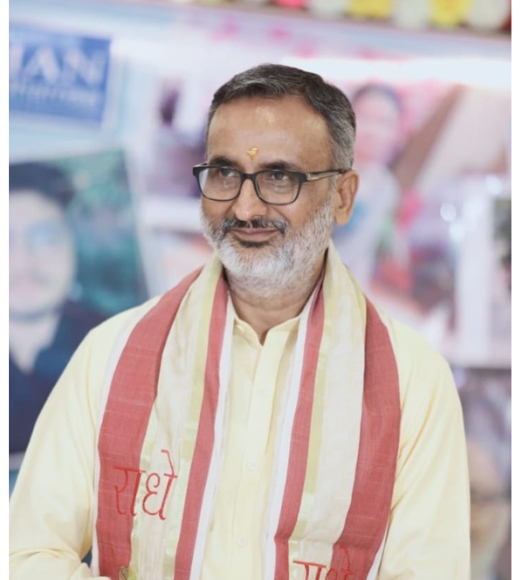
Subhash “Sir”
05.09.2025

All competitive Examinations

Limitless Learning, Limitless Possibilities !

  • Personalized Learning Plans.
  • Expert Instructors.
  • Comprehensive Resources

Our Expertise Is Best Earned Through Our Experience

Our Best Team For Your Any Advice For Your Education

Our Best Features

1

Skilled Teachers

Our institute takes immense pride in our team of skilled teachers. These educators bring a wealth of knowledge, experience, and expertise to the classroom, creating an enriching and dynamic learning environment for our students.

2

Affordable Courses

We are committed to providing affordable courses without compromising on the quality of education. We believe that everyone deserves access to high-quality learning opportunities, and we strive to make our courses accessible to students from all walks of life.

3

Efficient & Flexible

Efficient and flexible learning solutions that cater to diverse needs and preferences. We prioritize quality education, ensuring maximum retention and understanding. With various course formats, including in-person and online options, .

Review's From Achievers